


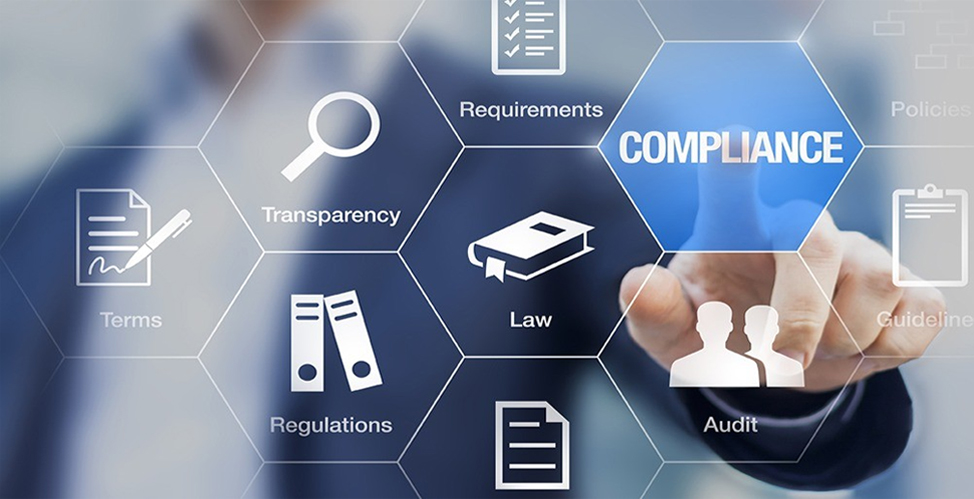
Corporate Integrity and Criminal Liability of Legal Entities: A Challenge for MSMEs in 2025
Corporate integrity and criminal liability represent growing challenges for businesses of all sizes. For micro, small, and medium-sized enterprises (MSMEs), understanding and applying compliance models is essential to prevent risks and strengthen competitiveness. Below, we explore the fundamental elements and key recommendations for MSMEs as they face this reality in 2025.
Fundamental Principles
Corporate integrity is based on essential principles that guide companies toward ethical and responsible management. For MSMEs, adopting these principles is not just about avoiding legal penalties, but also about building a solid reputation and strengthening trust among clients, suppliers, and partners. Key aspects include transparency, accountability, respect for human rights, and a genuine commitment to sustainability and compliance with applicable regulations.
Key Focus for MSMEs in 2025
- Compliance and Criminal Responsibility: MSMEs must strengthen their compliance systems and ensure that they incorporate mechanisms to prevent risks, especially those related to corruption and organized crime.
- Risk Analysis: Identifying, assessing, and managing risks is essential. MSMEs must design prevention models that adapt to their size and complexity, considering their resources and capacities.
- Ethical Codes and Conduct: Implementing clear codes of conduct helps establish behavioral standards for employees and managers, ensuring an organizational culture based on integrity.
- Training and Awareness: Training programs for employees on compliance and integrity are critical for fostering understanding and commitment at every level of the organization.
- Internal Control and Monitoring Systems: Establishing monitoring and control mechanisms allows companies to detect irregularities in time and correct them efficiently.
Recommendations for MSMEs
- Develop robust compliance programs adapted to their reality and resources.
- Incorporate technological tools to monitor operations and detect irregular activities.
- Foster a culture of transparency and accountability.
- Seek advice from experts to design and implement effective prevention models.
- Train employees at all levels in compliance and ethics.
Opportunities in 2025
MSMEs that successfully implement compliance and integrity models will be able to access financing more easily, establish stronger relationships with large corporations, and participate in government procurement processes. These practices not only reduce legal and reputational risks but also become a competitive advantage in an increasingly demanding market.
Conclusion
In 2025, corporate integrity and criminal liability for legal entities are key issues that MSMEs must address. By adopting compliance programs, strengthening their ethical culture, and leveraging available tools, they can mitigate risks and take advantage of opportunities that arise.